They Inspire Me

We are the product of our history; we should be proud of it.

Proud of who we are, grateful for the encounters that shaped us, respectful of our masters.

At different stages in my life, I have encountered “human giants” who have enlightened me.

Through a chance reading, in the dim light of a study hall that still, always, smelled of the midday meal, in a secondary school that stifled me; in a railway station, reading a text left behind on a seat dirtier than the floor; or in a library, searching, in the days when we lived without the internet, for the book that would allow me to understand everything; I have had some sublime encounters.

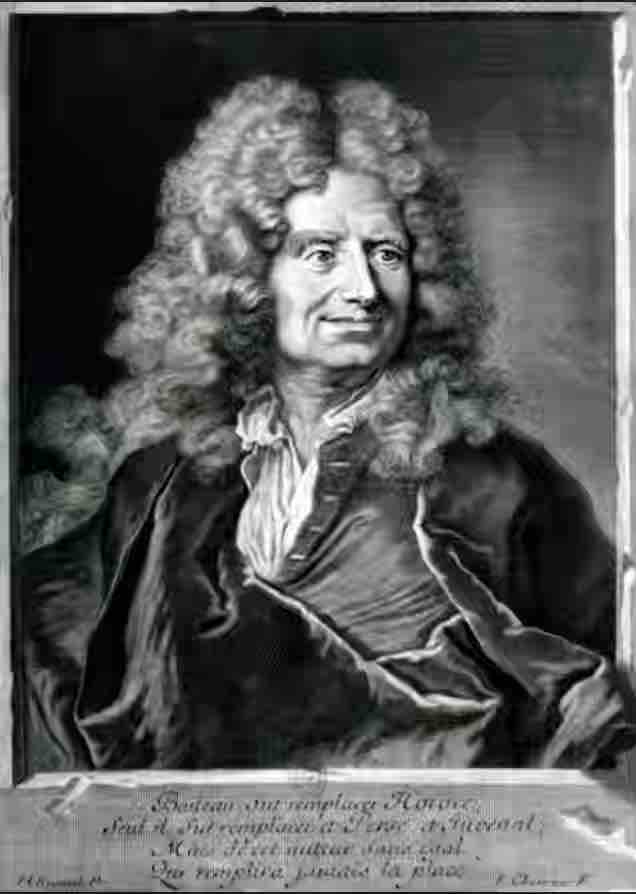
Boileau opened my eyes most abruptly with “What is clearly conceived is clearly expressed, and the words to say it come easily.” No need to learn it by heart; the sentence is a shock to an eight-year-old with whom his teachers can make no headway…

Think the world through in order to express its subtleties! Think before speaking and acting, nothing less! And yet so obvious…

My life is a journey marked by inspiring personalities, electrifying ones, depending on the encounter.

Here are a few great souls from my pantheon of stars.

  • Nicolas Boileau (May 4, 2019)
  • Jean-Jacques Rousseau (May 24, 2019)
  • Blaise Pascal (May 4, 2019)
  • Jean Moulin (May 5, 2019)
  • Stefan Zweig (May 26, 2019)
  • Jacques Brel (May 24, 2019)
  • Denis Diderot
  • Fred Vargas
  • Friedrich Nietzsche
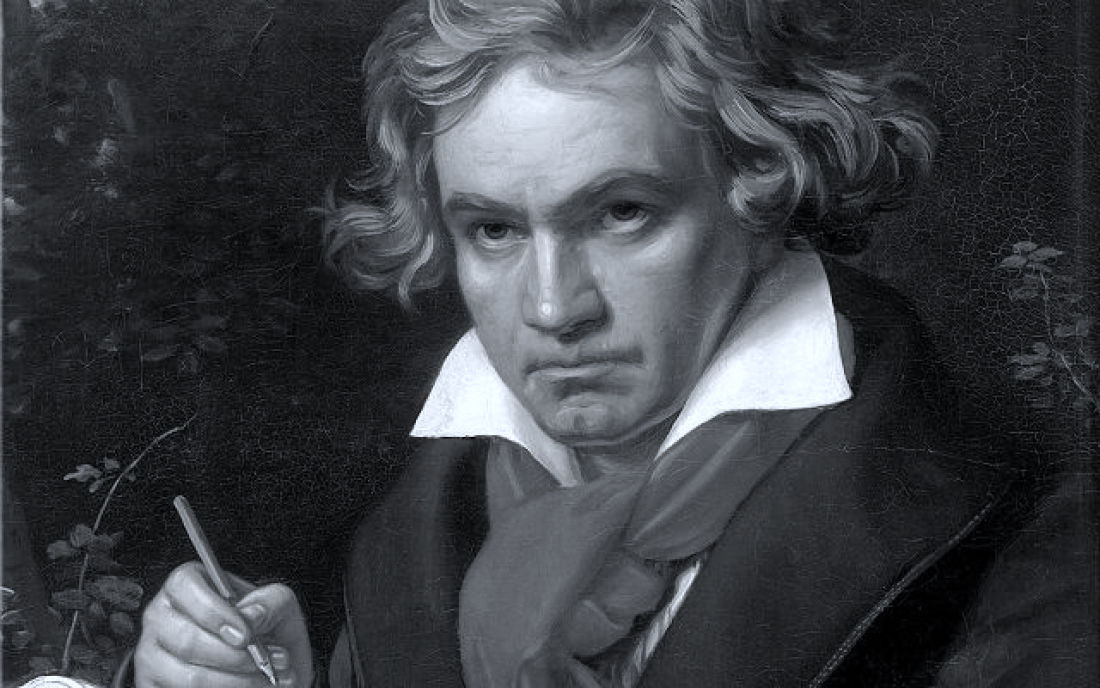
  • Ludwig van Beethoven
  • Louis Jouvet (June 9, 2019)

Nicolas Boileau, my godfather

There are writers whose pen is an incision.

With exceptional precision, Nicolas Boileau cuts through our armor. He undermines two assumptions behind our difficulty in communicating. Our thoughts, obvious and simple to us, are so to everyone. There is no point in trying to clarify them, because doing so betrays their meaning.

With Boileau, I realize that each word is an atom; the sentence, that semantic molecule, is a pharmakon: too much of it kills, a small amount is harmless, the right dose heals.

Boileau opened my eyes to the only weapon that deserves to be sold to every people: rational thought.

I have met this master several times. In 1995, I am twenty, looking for a concise formula to answer the grotesque fable of contemporary art that grants a piece of cardboard the status of a masterpiece.

I am looking for the formula that will end the dictatorship of my female friends in the humanities, those would-be art historians who, soaked in beer and breathing hotly, choke out: “What?? You dare criticize Marcel Duchamp’s urinal!!!” “You haven’t understood a thing.”

By chance, in a book on art, I come face to face with the famous line: “There is no serpent, no loathsome monster, that, imitated by art, cannot please the eye.”

I have my riposte; Boileau will be the swift executioner of lazy brains.

Ever since, Nicolas Boileau has accompanied me daily, reminding me, often enough, that nothing is less natural than thinking with subtlety.

Nicolas Boileau – Portrait by Hyacinthe Rigaud (1704)

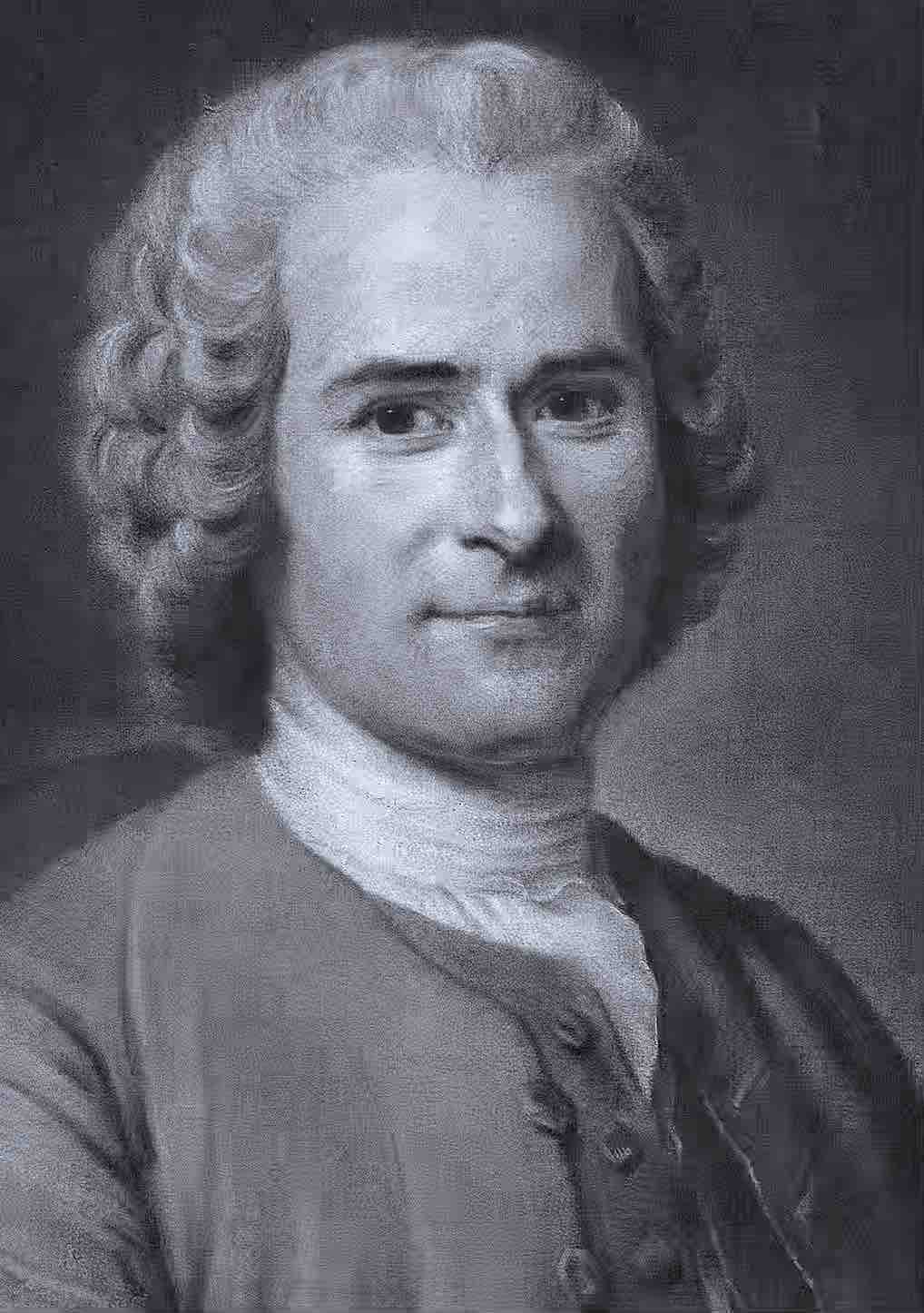
Jean-Jacques Rousseau – Pastel by Quentin de La Tour (1753)
– Color original

Jean-Jacques Rousseau, the master

Jean-François Lavigne, professor of philosophy at Paul Valéry University in Montpellier; he is feared; he is formidable; he is a graduate of the École normale supérieure; he cannot bear stupidity or the squalid intellectual lethargy of the humanities students he nevertheless encounters every day.
 
I feel at once that I am going to like him. I feel that he is going to teach me to think. My fellow first-year students behave and write down every word of this prince of thought. I listen; I will make photocopies later. How foolish to waste so much intelligence looking for correction fluid to fix a word.
 
Jean-François Lavigne; a semester on Rousseau. My final year at school has given me a vague introduction, but I am like everyone else: not really convinced by this business of being “good by nature.” After all, human beings are nothing but stupidity; does it need proving? Society may be their only chance…
 
But that was without reckoning with the Discourse on the Sciences and Arts. That was without reckoning with Monsieur Lavigne’s formidable intelligence, which would dissect Rousseau’s thought before our eyes so thoroughly that, a few months later, when I explain to a philosophy teacher well known for his intellectual laziness “that the state of nature is only a hypothesis,” he will tell me curtly: “Young man, that is not in Rousseau.” And I, carefree, walking out of the oral examination in protest, will reply: “That is Rousseau; I leave you to appreciate the difference and reread the master.”
 
For Rousseau is a master; I become his ardent disciple. His Discourses and his Social Contract, taken up by Western nations, have never ceased to nourish the foundations of our civil society.
 
In the middle of the eighteenth century, Rousseau dares to claim that a book read to shine at dinner parties has no other merit than to crush being by exalting appearance. Some will read into this a hatred of culture and a desire to “burn the libraries”… What a lack of subtlety! What a pity, for the ignorant are many. Rousseau’s detractors sadden me; like the well-born, strong-willed Voltaire, they confuse the end and the means, and do not even brush against the shadow cast by Rousseau’s thought.
 
I could not explore the master’s thought here without doing it harm, so I offer a few memories that shaped my social conscience.
 
“The strongest is never strong enough to remain master forever unless he transforms his strength into right and obedience into duty,” in The Social Contract ; where Rousseau settles forever the dispute over the value of “might makes right.”
 
“Why seek our happiness in the opinions of others if we can find it within ourselves?” in the Discourse on the Sciences and Arts ; where Rousseau battles appearances and social falsehood.
 
“The first person who, having enclosed a piece of land, took it into his head to say: This is mine, and found people simple enough to believe him, was the true founder of civil society. How many crimes, wars, murders, miseries and horrors would someone have spared humankind who, pulling up the stakes or filling in the ditch, had cried out to his fellows: Beware of listening to this impostor; you are lost if you forget that the fruits belong to everyone and the earth to no one,” in the Discourse on the Origin of Inequality ; where Rousseau retraces the hypothetical passage from the state of nature to the civil state in its most harmful form.
 
“I know only that truth is in things and not in my mind, which judges them…” in Emile, or On Education, (The Profession of Faith of the Savoyard Vicar), where Rousseau, with exemplary subtlety, puts reason in its place, calls upon things as the only realities and condemns falsely rational “judgment.”
 
And so many other intellectual delicacies; but Rousseau deserves better than my student memories…


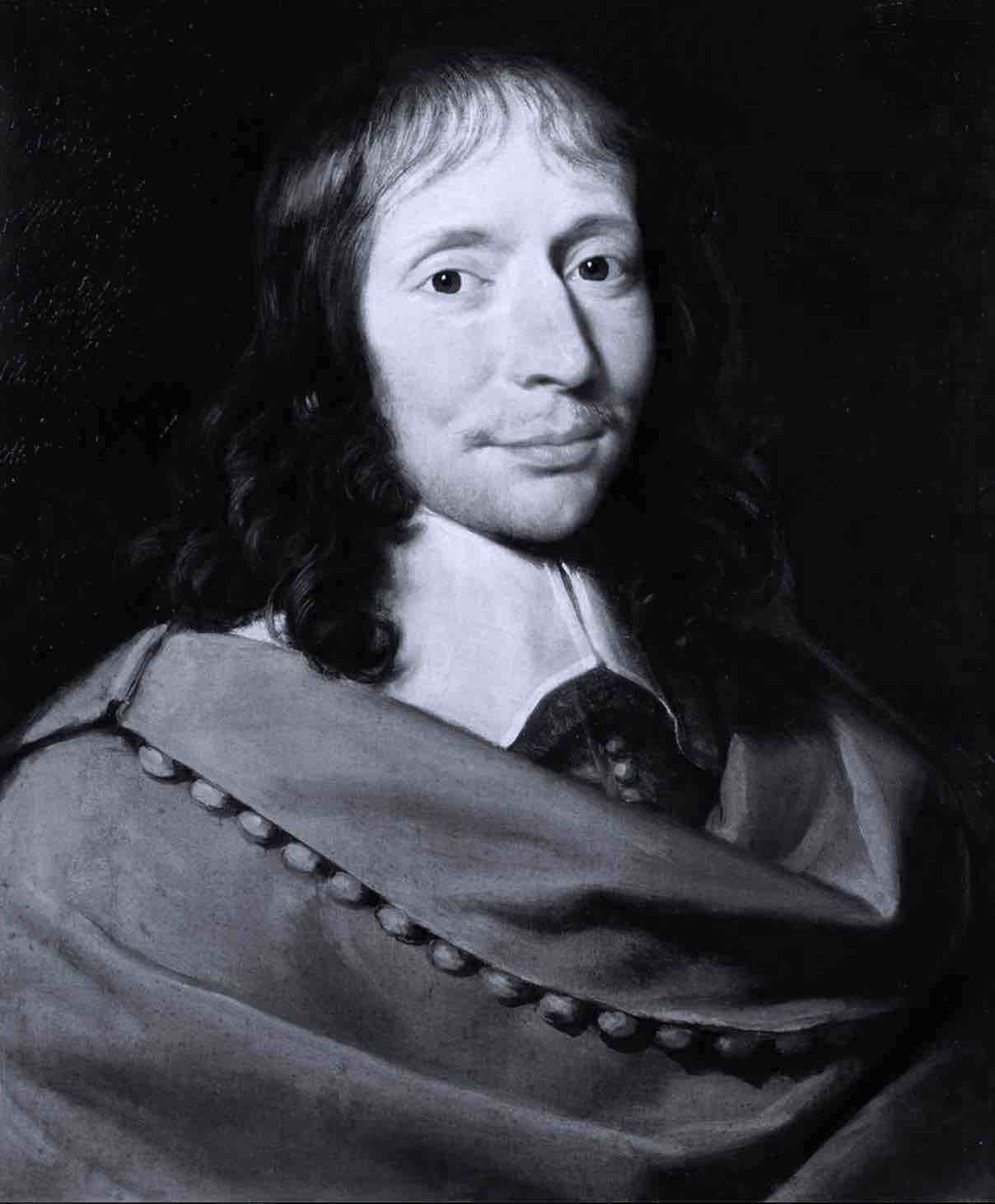
Pascal, of course

Surprisingly, I was introduced to Blaise Pascal only late on. I had vaguely heard my father talk of the geometrical mind; I had struggled to follow, light-years behind, my incredible French teacher in the penultimate year of secondary school, who wrote his lessons on opened, unfolded postal envelopes, in tiny twigs of letters that I imagined would need a surgeon’s metal instruments or special tweezers to manipulate them and arrange them without spaces on those absurd yellow geometrical shapes.

In short, by some mysterious trick, I had overlooked Pascal.

Fortunately, Boileau, who must have been feeling lonely, set me on the road to Pascal.

I was seventeen when, in a crimson-bound Seuil volume from a “Complete Works” collection begun and left unfinished, as my father so often did… I discover the Pensées and the Discourse on the Passions of Love by Blaise Pascal. Just like that, by pure chance, the book called to me one evening when, as so often, I was looking for a reason not to study for my baccalaureate.

Once the book was open, there in my little kitchen in a soulless apartment building, I could not help devouring it from beginning to end. Alone in my almost native South, for my father was far away, nothing came to interrupt the ineffable power, the unsurpassable refinement of Blaise Pascal.

To think that I lived so long without assigning imagination its role as the “mistress of error and falsehood.” How could one fail to question the “difference between the geometrical mind and the intuitive mind”? How could one accept this otherwise quite conventional dichotomy without understanding that “unsound minds are never either intuitive or geometrical”? The hinge of understanding: the intuitive and geometrical minds coexist like the monstrous whirlpool and rock, Charybdis and Scylla.

With Pascal, “the heart has (at last) its reasons of which reason knows nothing,” without making a tragedy of it, and we know this “in a thousand things”! Reason that does not know! Brilliant, for a teenager who thinks everything is irredeemably logical…

And this sentence, more relevant than ever, which I put to my young colleagues when their careerism chills my blood: “How happy a life is when it begins with love and ends with ambition!”

Without Pascal, I would never have accepted spirituality; he allows even the most atheistic among us to observe the minute inflections of our souls… as much as those of others.

Blaise Pascal – Portrait by Philippe de Champaigne – Credit: De Agostini – Getty – Color original

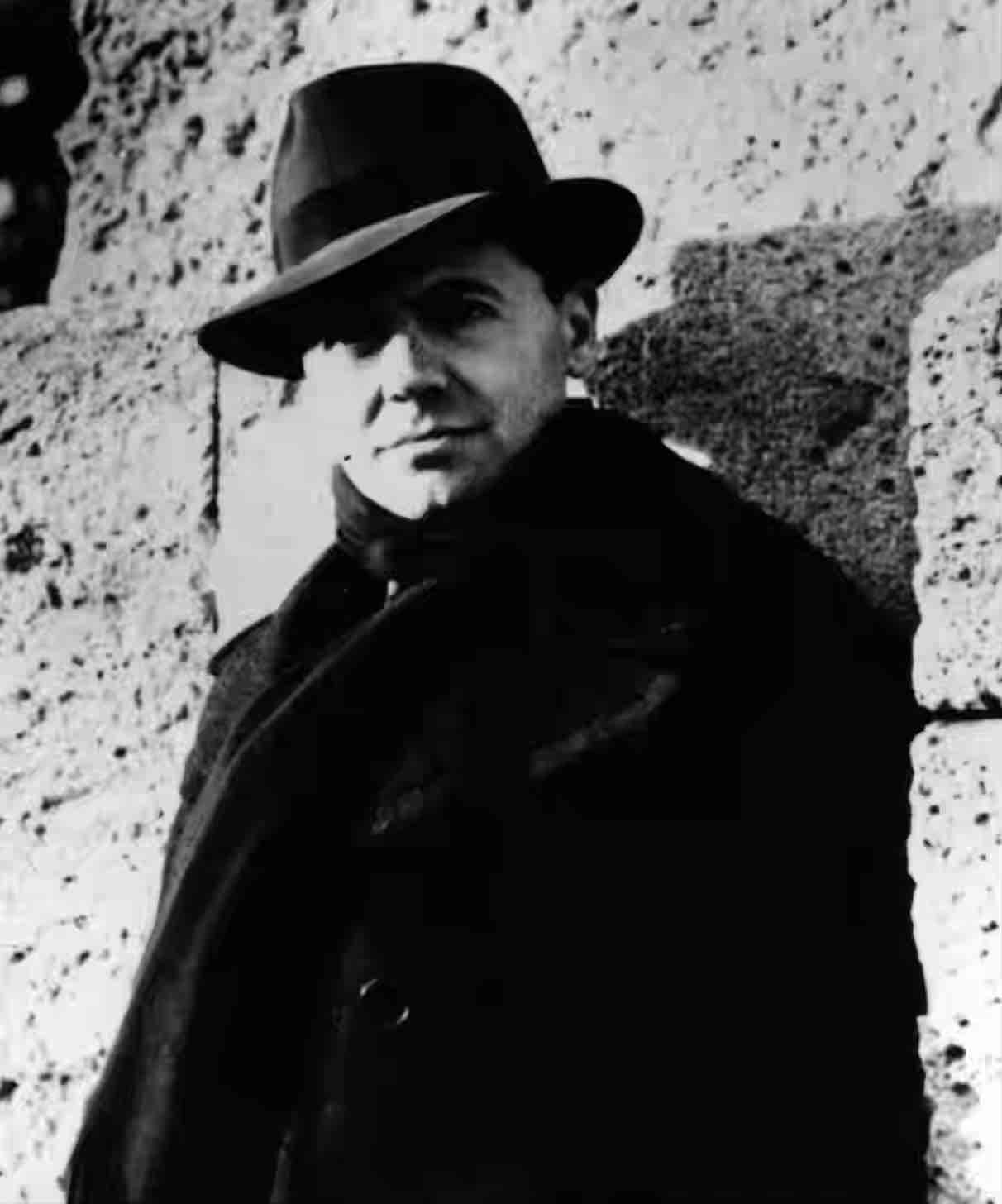
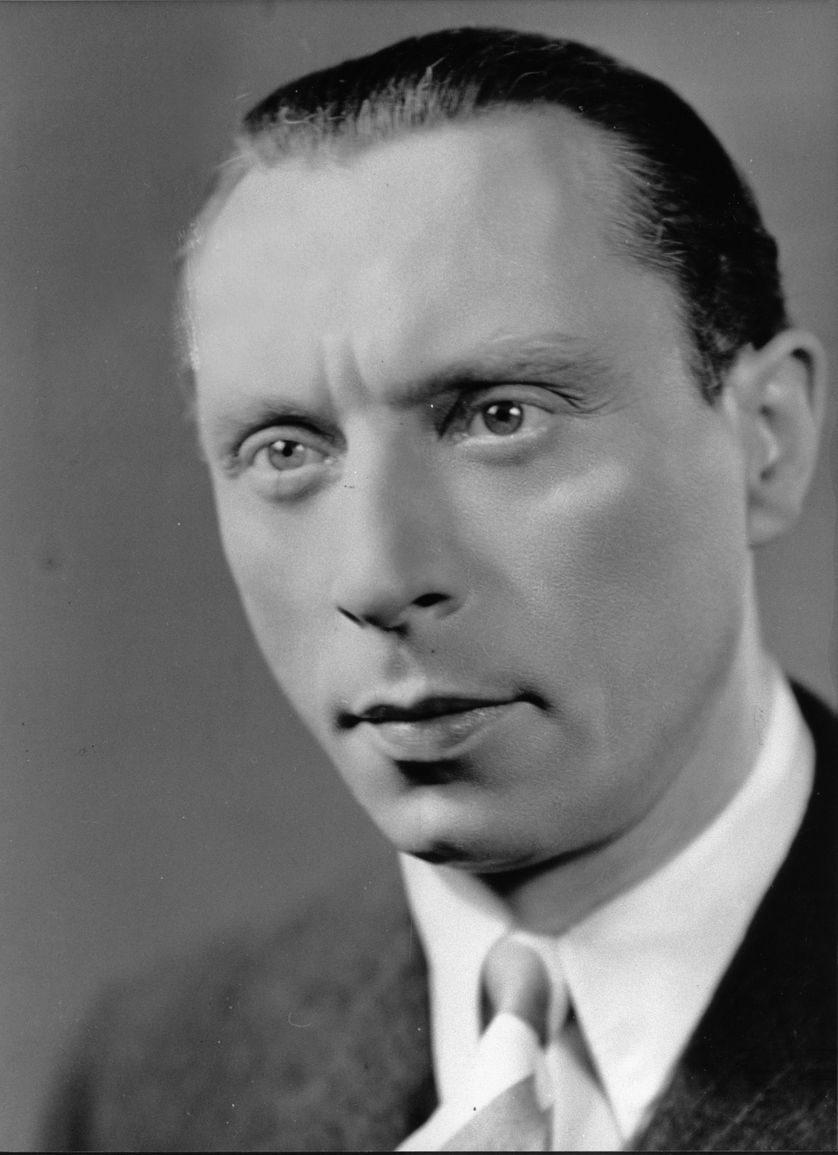
Jean Moulin – Photograph by Marcel Bernard, taken in the winter of 1939 at Les Arceaux in Montpellier. 

Jean Moulin, courage made flesh

I am in my penultimate year at school. I am bored. I get up to every kind of mischief at a military secondary school that no longer holds any interest for me, since, being nearsighted, I will never be a fighter pilot.

Climbing over the wall, nighttime expeditions, forbidden discoveries, holiday detentions as punishment, and more punishments, and always more punishments. Never anything serious, but ever more disobedience to orders whose absurdity borders on an absence of intelligence; and military intelligence, to paraphrase Clemenceau… is not intelligence.

Coming from a military family, and wanting to become a fighter pilot myself, the question may seem surprising, but for a long time I wondered how anyone could want to join the armed forces. For what strange reasons could the ability to carry a weapon, beyond the fleeting feeling of omnipotence, motivate so many men and women?

I asked myself that question until Jean Moulin, until the Gestapo, until the horror, the injustice, the hatred and the murder of children; until my participation in the National Resistance Competition, imposed by the school.

It was a shock. In a few days, I discovered that my great-grandfather Laurent Duviols had organized the Resistance in the South of France under Pierre Brossolette’s orders, that he had been deported to Auschwitz and died at Buchenwald on December 13, 1944, that Jean Moulin, the first president of the National Council of the Resistance, had been betrayed to the Gestapo and that, under torture, not even death could wring a single name from him, that thousands of children, women and men had been exterminated because of their religion, that human beings had been murdered because of their sexuality, that the world, as Nietzsche had sensed, had indeed tipped into absolute horror!

Of course, everyone knows more or less all of this, but working through archives, poring over thousands of pages, each more revealing than the last, reading that men acted systematically to destroy their fellow human beings, and reading still more accounts of extreme violence where the sordid rubs shoulders with humanity’s basest inclinations, reading again and again that death itself struggled to do its work, so many more were throwing themselves into its arms.

All this reading left me dazed; I had known nothing of it; and from one day to the next, I learned. But what do you do with this hatred, this horror, when you are sixteen? How do you transcend the unspeakable?

Jean Moulin answered that question. Simply, with a single word: courage. The courage to act, to bring people together, to fight, to defend, to hold firm and not speak, never to betray, never!

Jean Moulin is my antidote. When I feel like throwing everything away, when my projects give me so much work that I am suffocating, when I am in pain because I am being stitched up without anesthetic in an emergency, when I decide to embark on some innovative adventure, when I am alone and the game is lost before it has begun, when everyone tells me “it’s impossible,” I think of Jean Moulin, courage incarnate!

Jean Moulin, courage made flesh.

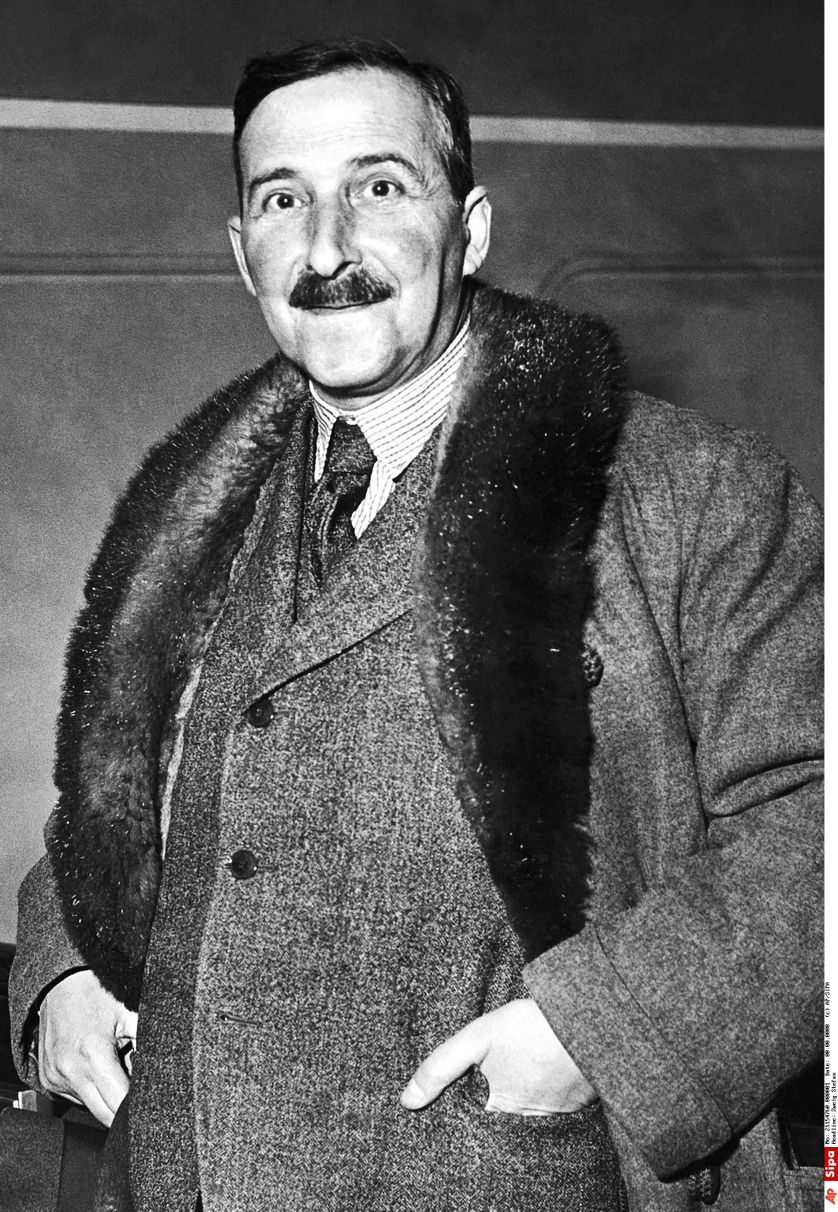
Stefan Zweig, human despite everything

A humanist through intellectual honesty; delicate through intelligence; profound through his feeling for others; the master of the clear-hearted reader.

Here is a human being I mourn.

Knowing that he took his own life, heartsick at the world, horrified by humanity, more than thirty years before I was born, and that I never regret anything, my pronouncement resounds, heavy with nostalgia.

I can only mourn this man who grasps our simplest feelings with so much intelligence and heart.

With Zweig, love is no longer a word but a richly colored space of delicate sensations and overwhelming feelings. The reader wanders through it, murmuring through half-parted lips the plaintive sorrows that Zweig has lodged in that bewildered throat. In unison, Zweig and his reader stroll along the paths of human melancholy. Love moves from sigh to breath; the chilled, lovesick reader nestles against Stefan Zweig’s chest.

Zweig, better than Proust, whose many characters in overburdened stories prevent me from appreciating their vitality; Zweig, better than Dostoevsky, whose Russian brusqueness, which I cherish, distances empathy; Zweig, better than Kundera, reduced to The Unbearable Lightness of Being ; Zweig, better than them all, because more human than any of them; Zweig.

I cannot speak of Stefan Zweig without encouraging you to read him. There is something for every taste, from Magellan to Twenty-Four Hours in the Life of a Woman by way of Decisive Moments in History, Fear or Letter from an Unknown Woman, every reader will find delight.

I love reading Zweig. Better still, I love reading with Zweig, under his protection, wrapped in his tenderness.

In the first part of The Post-Office Girl, I love, with Zweig, feeling the harsh nature of human emotions, experiencing the violence of the heart’s choices, accepting the sadness and poverty that encourage Christine to lie, feeling grief and misery once more when her origins catch up with her. Only Zweig draws me into another’s torments.

That is Stefan Zweig’s humanism; like the magic flute, it carries me out of myself and joins me to another’s pain. This mystical writing brings me closer to my fellow human beings, reminds me of my condition and allows me to say we, rather than I.

Zweig wrote for us.

Stefan Zweig – Credit: AP/SIPA – Sipa

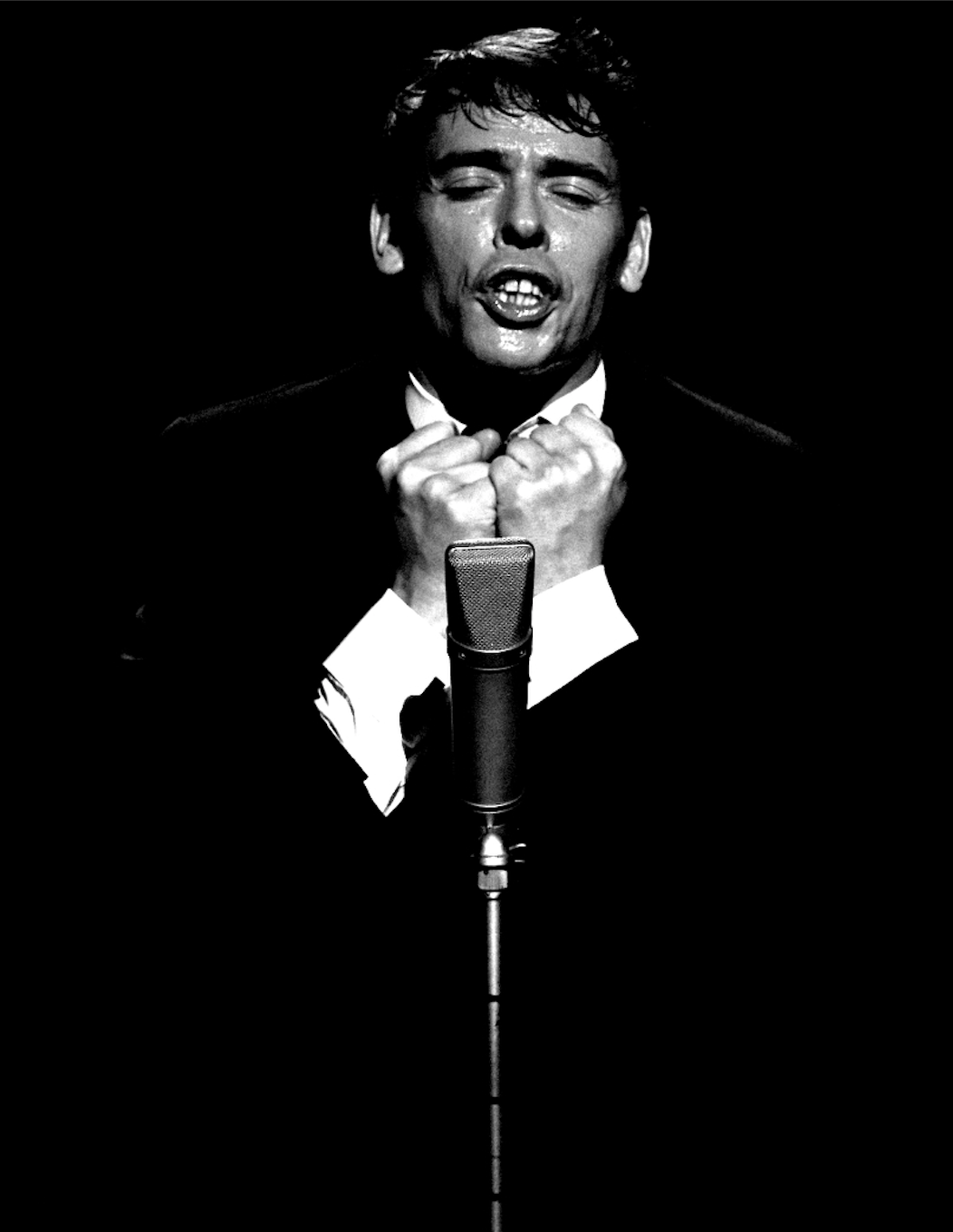
Jacques Brel in concert at the Olympia in 1966 – Credit?

Jacques Brel in concert at the Olympia in 1966 – Credit?

1971 interview with Jacques Brel

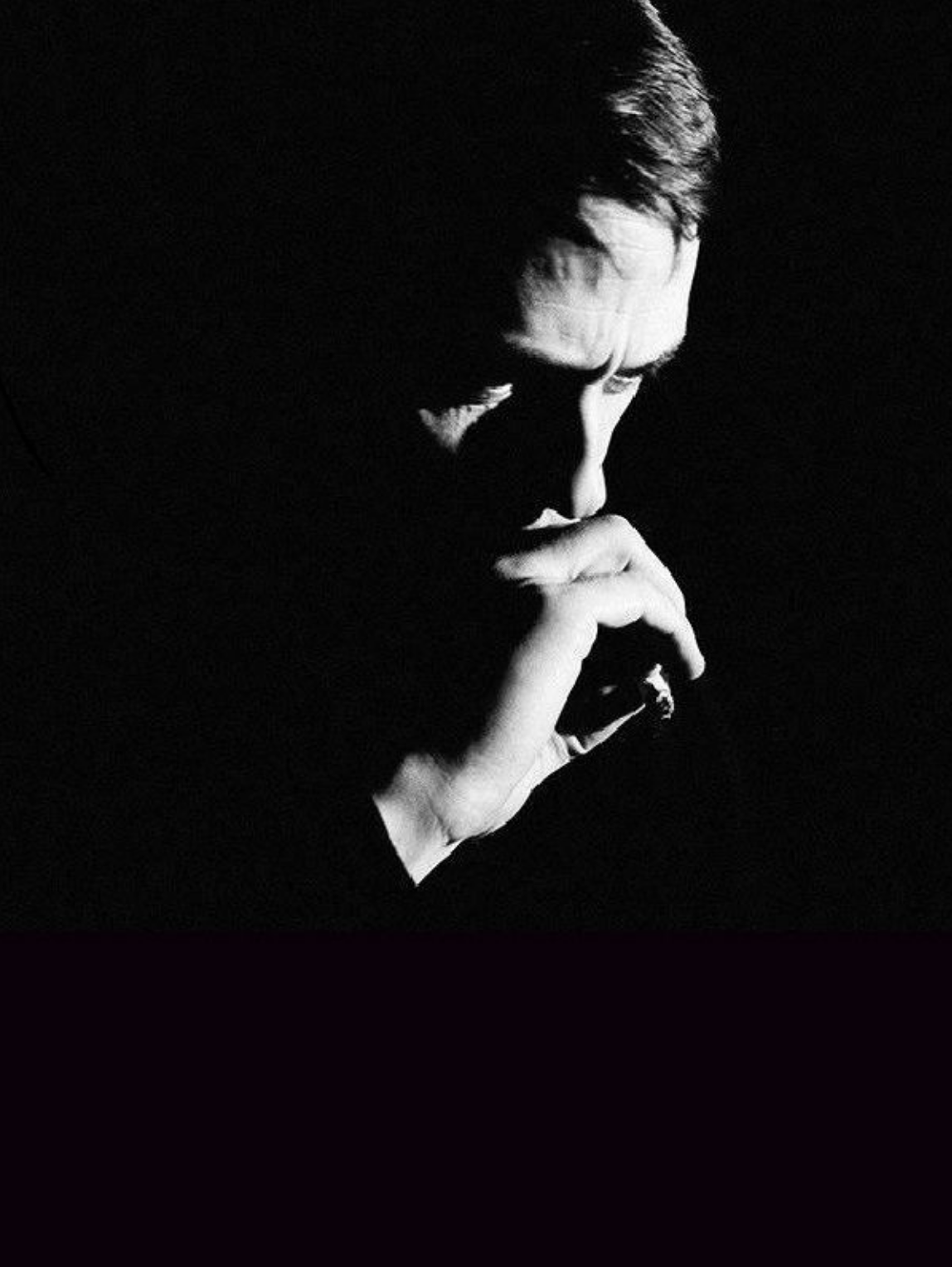
Jacques Brel, my musical spirituality

“I believe that, through discipline, we must reach the point of having only noble temptations. And then it becomes urgent to yield… even if it is dangerous; even if it is impossible; especially if it is impossible.” Jacques Brel, filmed interview below (at 7:10).


Although I cannot remember when I first listened to Jacques Brel, I know when I last did. Whatever the season, the year, the moment, the day, I know that the last time I listened to Jacques Brel was today or yesterday. There is my drug; there, along with San Pellegrino, is the only substance I take in absolutely every day! Never giving up my sparkling water, since I would go so far as to cross Italy to see the “castle” drawn on every bottle I have drunk; never giving up Amsterdam, La Quête, Le Prochain Amour or Orly.

Brel has never abandoned me. For some thirty years, I have listened to him two or three times a day. I need him; he calms my anxieties; he speaks to me of love, he speaks to me of death, of the tenderness of our dreams. He lights up my loves, invites me to dance and always makes me tremble.

When Bob Dylan received the Nobel Prize in Literature, I was happy. At last, the international elite had understood that music is not some whimsical embellishment; music is essential to our existence. I do wonder how our ancestors managed to live without music. How can we get through a day without listening to a few pieces by our hormonal stimulants? Music nourishes me; it is as natural to me as the sleep that punctuates my days.

Some will imagine that I am exaggerating. Not a bit of it; when I wake, in my bathroom, in my car, through my headphones, softly, loudly or overwhelmingly, music is my true drug!

In 1993, I took off for the Svalbard archipelago, otherwise known as the North Pole. A competition organized by Nicolas Hulot’s foundation; I win, along with nine other young people, and fly off for three weeks without music. At the time, my Walkman weighed a kilogram, cassettes were rewound around a pencil, and I did not live without my Walkman.

After three weeks without music, the withdrawal was unmistakable. I was more than frustrated, I was tormented. With a young friend suffering withdrawal like me, we talked about music, sensation, goosebumps, Debussy, and Brel of course, whose existence the rascal knew nothing of! Kayaking between icebergs, walking across lands scorched by dragons of wind at −30°C, we talked about music, irritating our companions in misfortune.

The withdrawal was violent: three weeks of walking, of cold, to see nothingness, nature without nature, lands without vegetation, and living on top of one another while alone in the world. How right Rousseau is…

When, on our way home, a storm stranded us in Tromsø, a northern city in Norway, I could stand it no longer; I wanted to listen to music. Anything, but music. I did not care; like an addict, the lack of music would make me aggressive. The pain of being without it was too great.

But the city was deserted, nothing was open, and the only “pub” around was putting its chairs away in the metaphysical silence of a Soviet film.

With a heavy heart, I returned to the hotel, at last to sleep in warmth, far from the storms of those wind-dragons that pass through our skin to sink their sharp claws into the very heart of our flesh, against our awkward adolescent bones.

I enter my room and inspect it with a ritual that has never left me: standing in the doorway, I imagine myself in the bed and identify every pernicious source of light that will disturb my all-too-light sleep; then I locate the bathroom, minibar, any electric lights I might have missed, and all the useless objects, so common at the time.

Then the décor gets its turn: a thorough critique of the degree of coherent kitsch sought by the designer. In Tromsø, there had probably never been a designer or an architect. The kitsch was natural. Everything was brown, entangled in archaic shapes and textures, meaning those of the sixties, since, at the risk of naive egocentrism, I classify as aesthetically archaic anything predating 1975, the year of my birth.

Brown, then, yellow, and chevron wallpaper with a decided taste for offending the eye: everything seemed suffocating. But, for there must be a but, I notice a round metal switch set into the wall. My heart leaps, it races; no, that would be too good: there, as in days gone by, a “knob” to turn on… a radio.

My heart truly pounds; I throw myself at the wall, I stroke the area around the switch, brush it with my fingertips; it is there. But what if it does not work? I take my time. I have long known that the best moment of an event invariably precedes it. I am wildly excited; I want to call my friend. I know he will see it too. But what kind of music do they play in Tromsø?

Suddenly, I fear the worst. A radio program with old people talking about very old people to even older people, to lull them to sleep in a guttural Norwegian whose melody escapes me. My hands are clammy. Never mind, I have to find out…

I turn the brass switch… nothing happens… I wait; not a sound; not a word. I am disappointed, staring sadly at the switch…

But I make it out, I recognize it, I exult; no, impossible, it cannot be true, the sound rises, I help it along and turn the knob; surely not! I hear it, yes, I hear Jacques Brel beginning Amsterdam, at the Olympia (1964)!

I am motionless, my eyes fixed on the brass; my heart stops abruptly, tears overwhelm me, it is so beautiful, I feel as though I am being born, the music burns my lungs. Brel is with me, he brings me back into the world of feelings, the icy hell disappears, I am alive, alive at last.


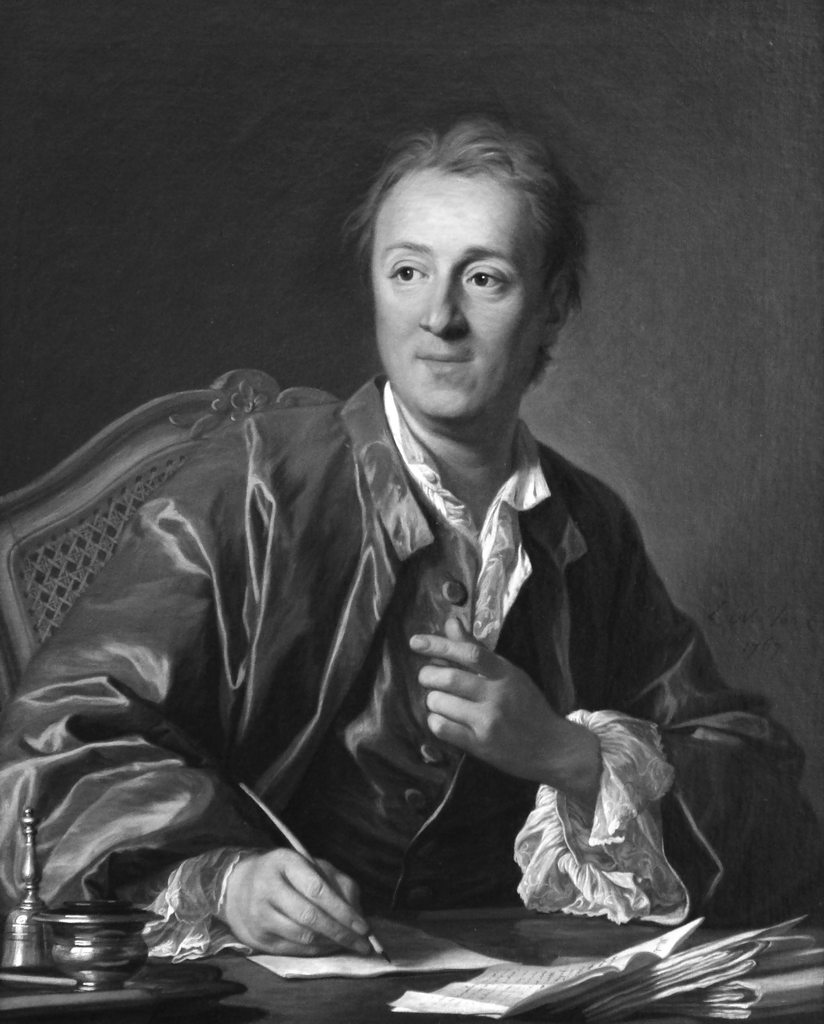
Denis Diderot, a thousand interests

Because he is the only man I truly resemble…

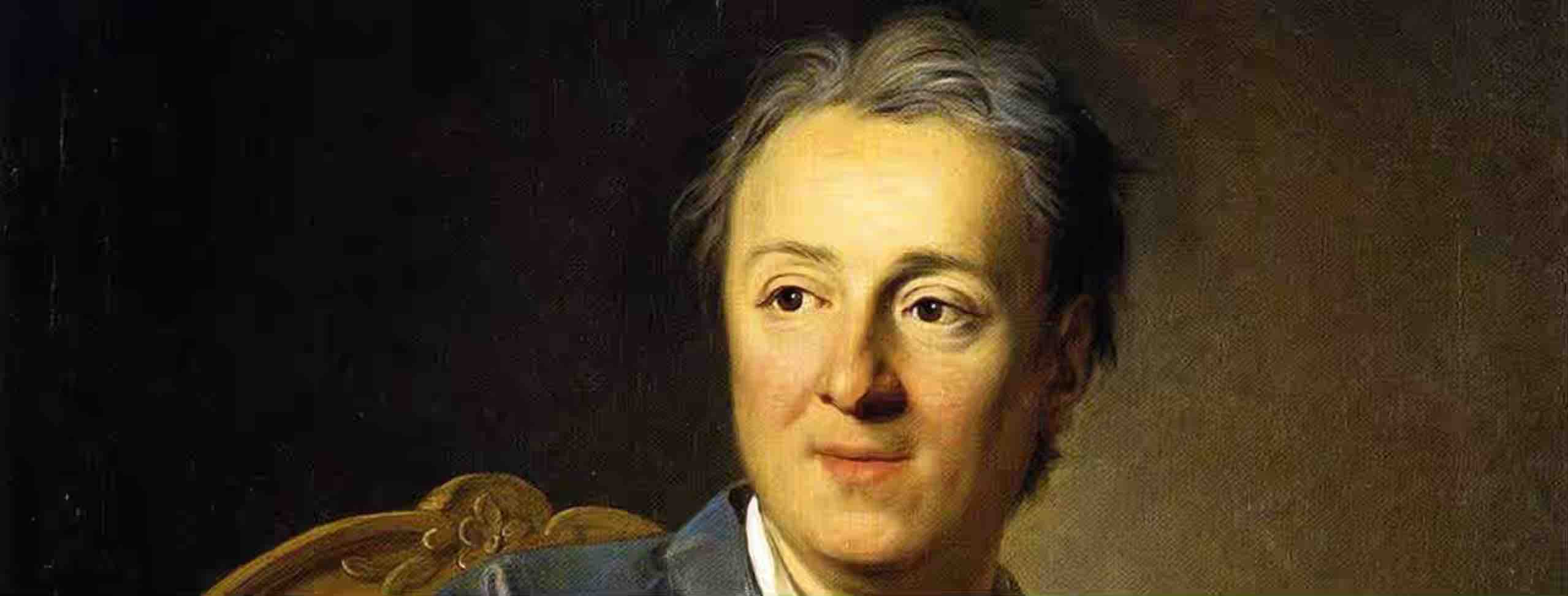
Denis Diderot – Portrait by Louis-Michel van Loo (1767) – Musée du Louvre – Color original

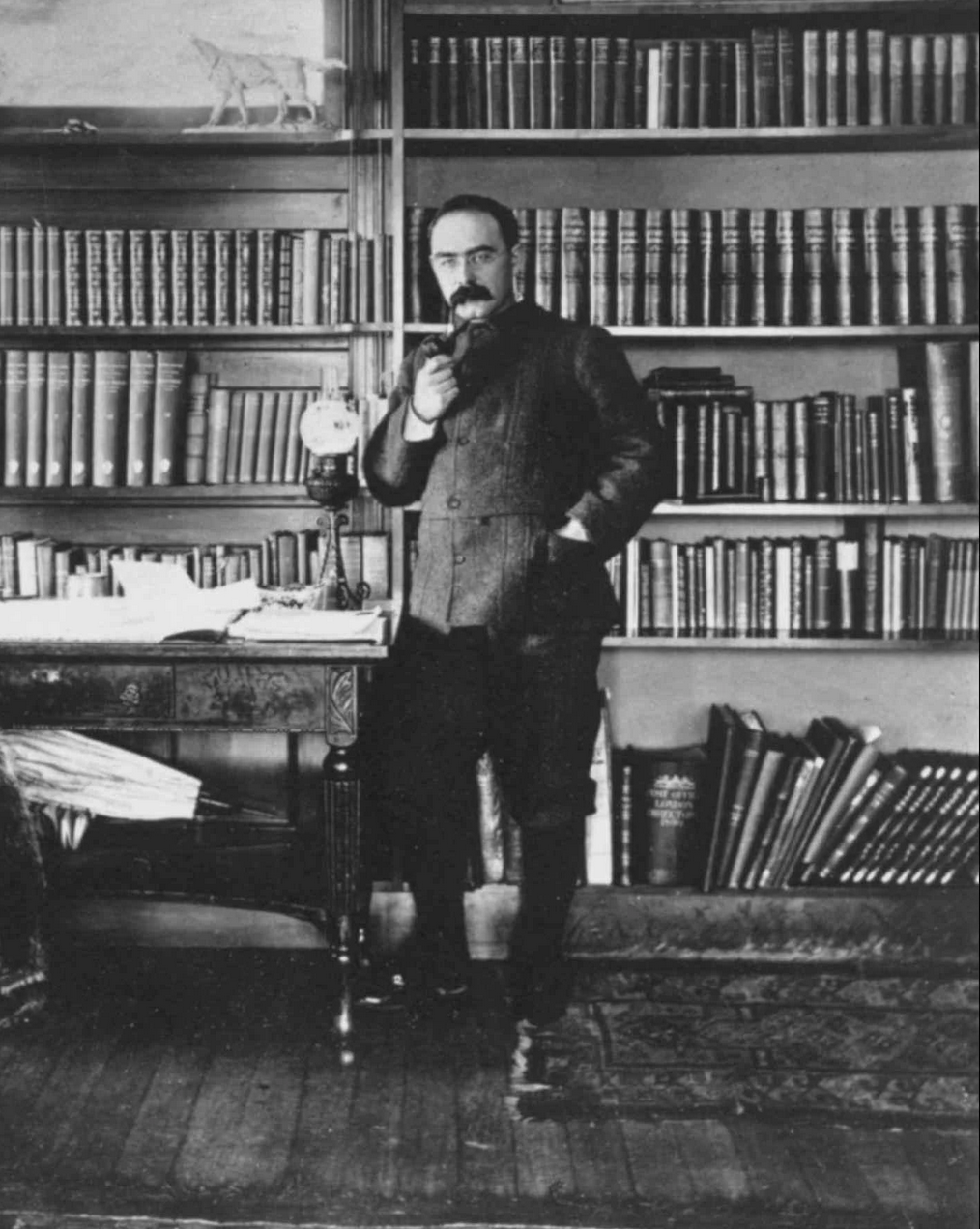
Credit: www.nytimes.com/2019/07/07/books/review/if-christopher-benfey-kipling.html

Rudyard Kipling, exotic and sublime

                   If

                 (English rendering of the French translation by André Maurois)

If you can see your life’s work destroyed

And, without a word, set about rebuilding it,

Or lose in a single stroke the winnings of a hundred games

Without a gesture and without a sigh;

If you can be a lover without being mad with love,

If you can be strong without ceasing to be tender,

And, feeling hated, without hating in return,

Still struggle and defend yourself;

If you can bear to hear your words

Twisted by scoundrels to stir up fools,

And hear their mad mouths tell lies about you

Without yourself lying by a single word;

If you can remain dignified while being popular,

If you can remain one of the people while advising kings,

And if you can love all your friends as brothers,

Without any one of them being everything to you;

If you know how to reflect, observe and understand,

Without ever becoming skeptical or destructive,

To dream, but without letting your dream be your master,

To think without being only a thinker;

If you can be hard without ever being enraged,

If you can be brave and never reckless,

If you know how to be good, if you know how to be wise,

Without being moralizing or pedantic;

If you can meet Triumph after Defeat

And greet those two liars with the same face,

If you can keep your courage and your head

When everyone else loses theirs,

Then Kings, Gods, Fortune and Victory

Will forever be your obedient slaves,

And, better still than Kings and Glory,

You will be a man, my son.

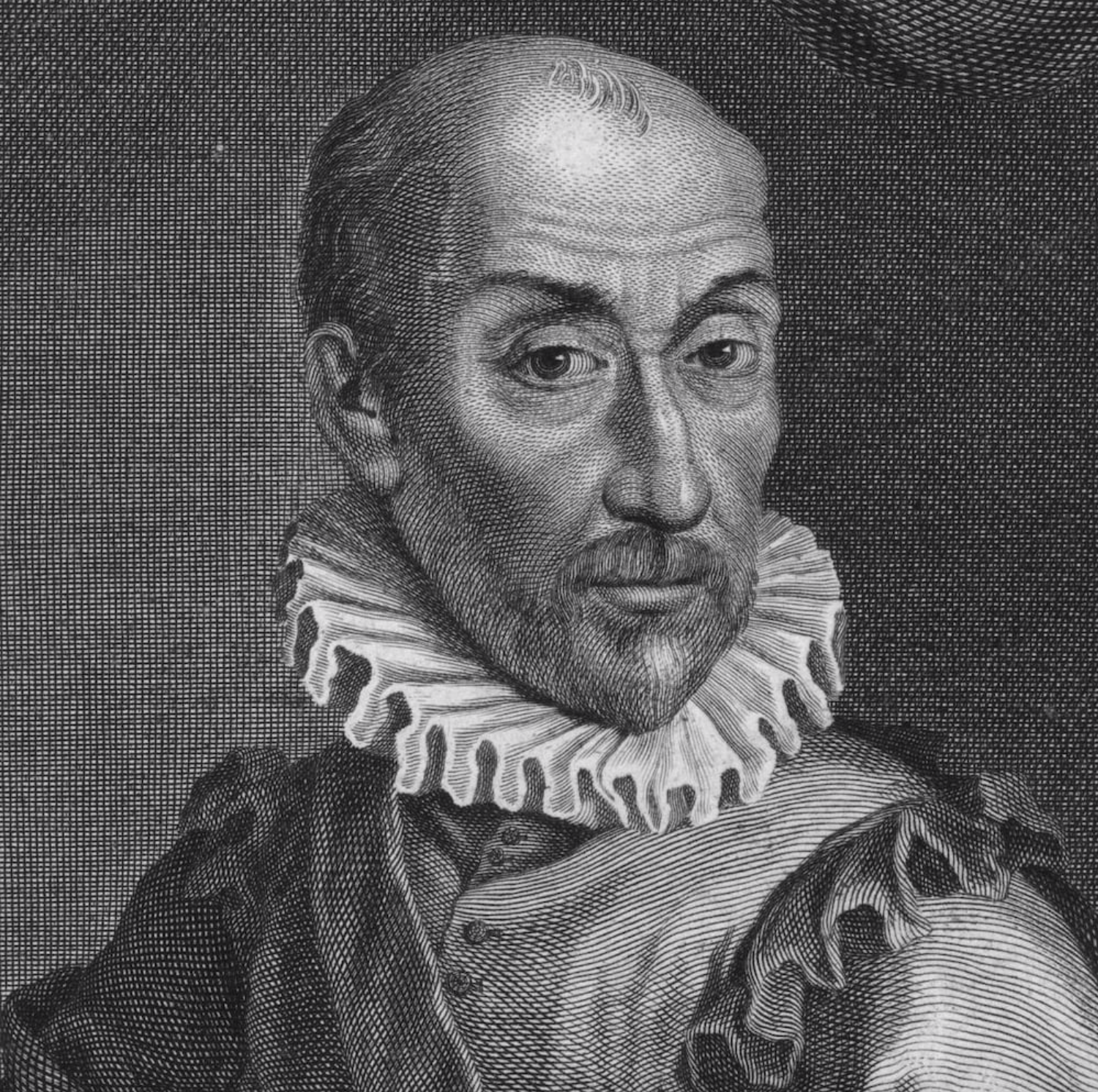
Montaigne; when thinking becomes an art of formidable subtlety

Rhythm and structure, a robust conception of freedom, a source of inspiration, a human example; essential! How good it would be if our public officials read Montaigne before acting; they would rediscover the honor of being just, and the pride in our eyes. 

Michel Eyquem de Montaigne; engraving from 1725

Photo: Getty Images – Hulton Archive

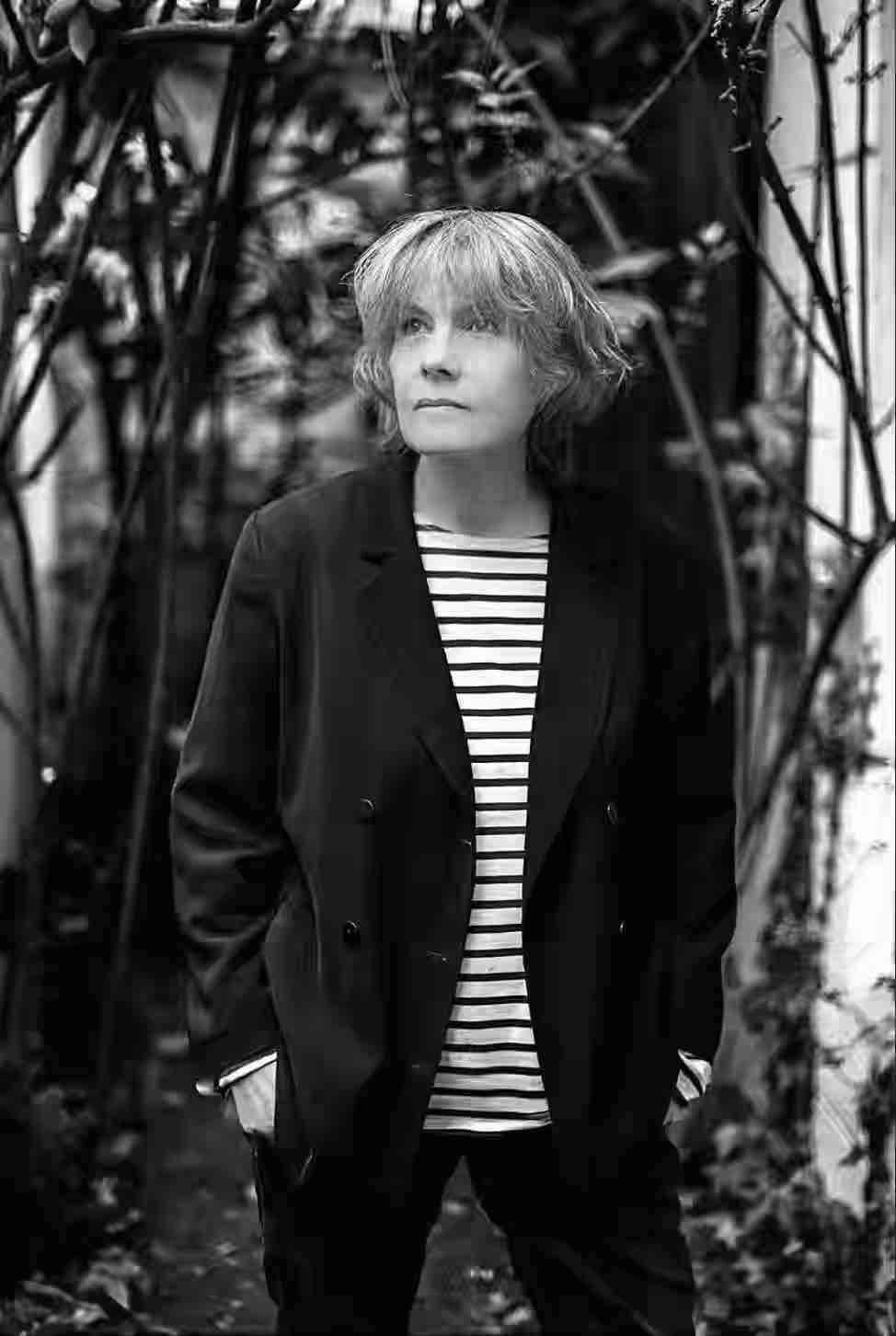
Fred Vargas – Credit LOUISE OLIGNY/Astrid di Crollalanza – 2011 – Color original

Fred Vargas, an exceptional woman

Because she has moved me to sadness, because “shoveling clouds” is now familiar to me…

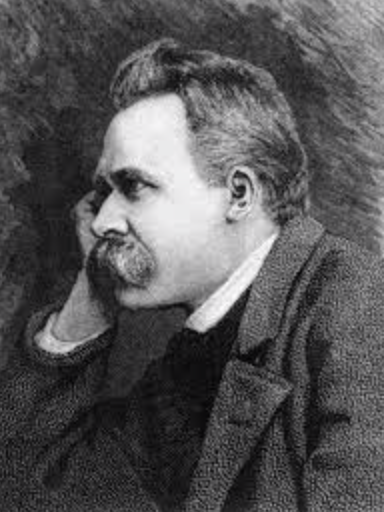
Friedrich Nietzsche, a promise of greatness

He who opens up a magnificent elsewhere, an explosive way of thinking… in a few days.

Friedrich Nietzsche – Photo credit: Mondadori Portfolio – Getty (1882)

Ludwig van Beethoven – Portrait by Joseph Karl Stieler – (1820)
– Color original

Ludwig van Beethoven, for destiny

Coming soon.

Louis Jouvet, truly alive

“To be a professional is to be authentic. It is the only way to be true, to possess and practice a virtue of truth. For nothing matters but what is true, that is, what has an attachment, a bond, a root; nothing matters but what is sincere.” Louis Jouvet. The Art of Pleasing.

My encounter with Louis Jouvet is recent.

At the very moment when I am spattered by an incredible story of interference with labor rights and other wrongdoing of whose very existence I was unaware, within a small, supposedly highly respectable school that I have just acquired for an exorbitant sum;
at the moment when the justice system, against all expectations and manipulated by a gendarmerie investigator hungry for recognition and medals, links me to those vile acts even though I had nothing to do with them;
at the moment, then, when for the first time in my life, I feel that human beings are truly beyond redemption and unforgivable in their stupidity;
at that moment of weakness, of great distress, for I am only a man, I meet the expert, the scholar, the living playwright (yes, yes). A pharmacist by training, a stage manager, a theater and film actor, a director and a thinker about theater, Louis recalls me to my condition; he enlightens me. Yes, humanity is nothing but clearly identified imperfections; which encourages us to seek, and sometimes find, the missing perfection.
As soon as I open The Disembodied Actor by Louis Jouvet, I rejoice; what a strange coincidence! I think like him. Despite my inexperience, I sense that my passion for theater has its source in my insatiable desire to understand the human world. Theater is life, only better, clearer, more alive. The actor is bad: Shakespeare can withstand it; Marivaux, less so. The director is powerful, intelligent and endowed with a fine imagination: anything can be staged, even Sartre!
With Louis Jouvet, I stand by the assertion that: “There are two kinds of directors: those who expect everything of the play, for whom the work is essential, and those who expect nothing except from themselves, for whom the work is an opportunity.”
For ultimately, is running a company not, every day, day after day, year after year, directing your own life and those of others?
Theater is not so much “life” as that dramatic comedy of collective life on a stage that is a company, with rules as absurd for the actors as for the director…

Louis Jouvet – Credit: Archives du 7eme Art / Photo12 – AFP

“There is no less glory in discerning the good and the beautiful than in imagining them.”

Denis Diderot

Maxims, Reflections and Thoughts

Denis Diderot – Louis-Michel van Loo (1767) – Musée du Louvre