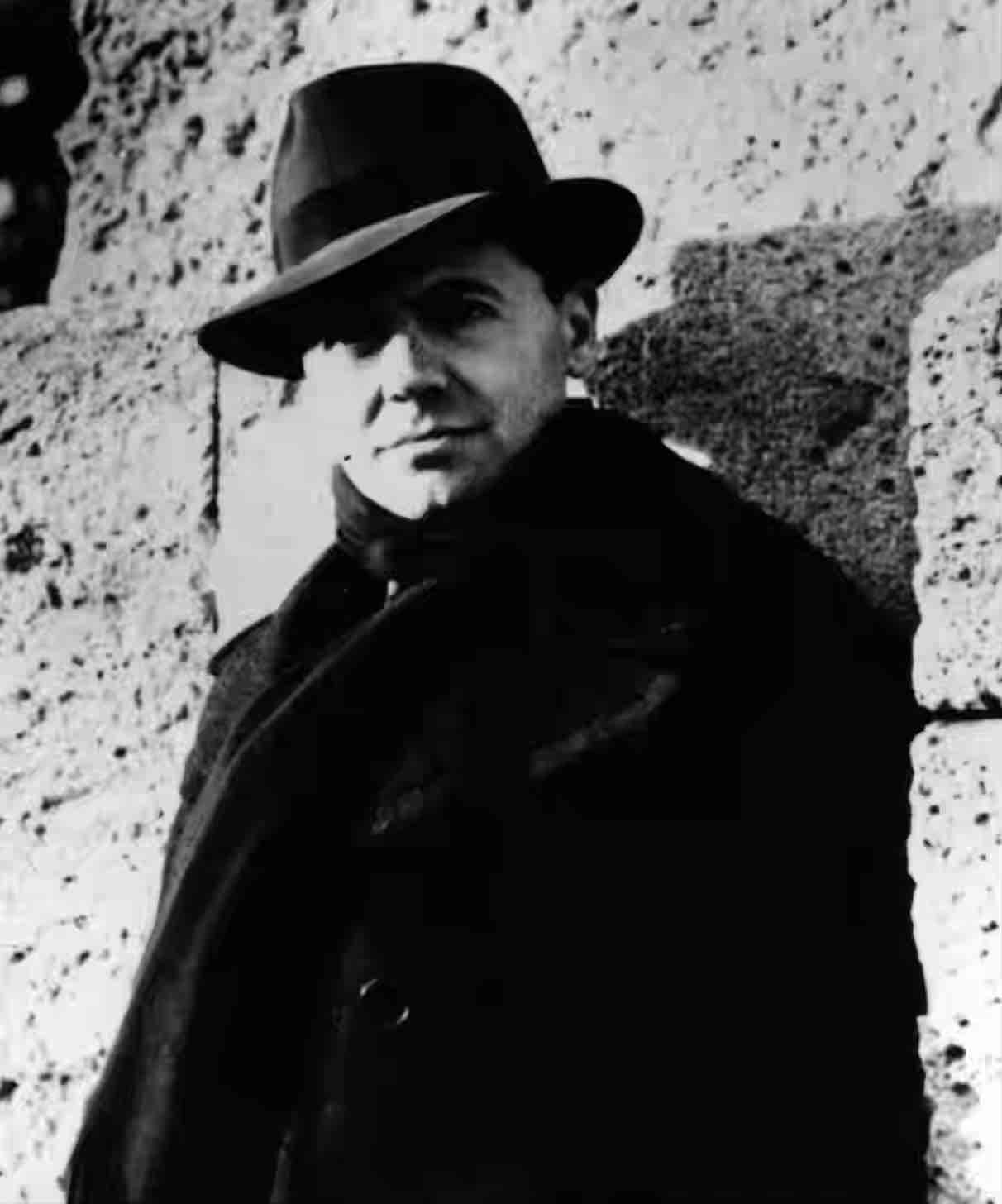
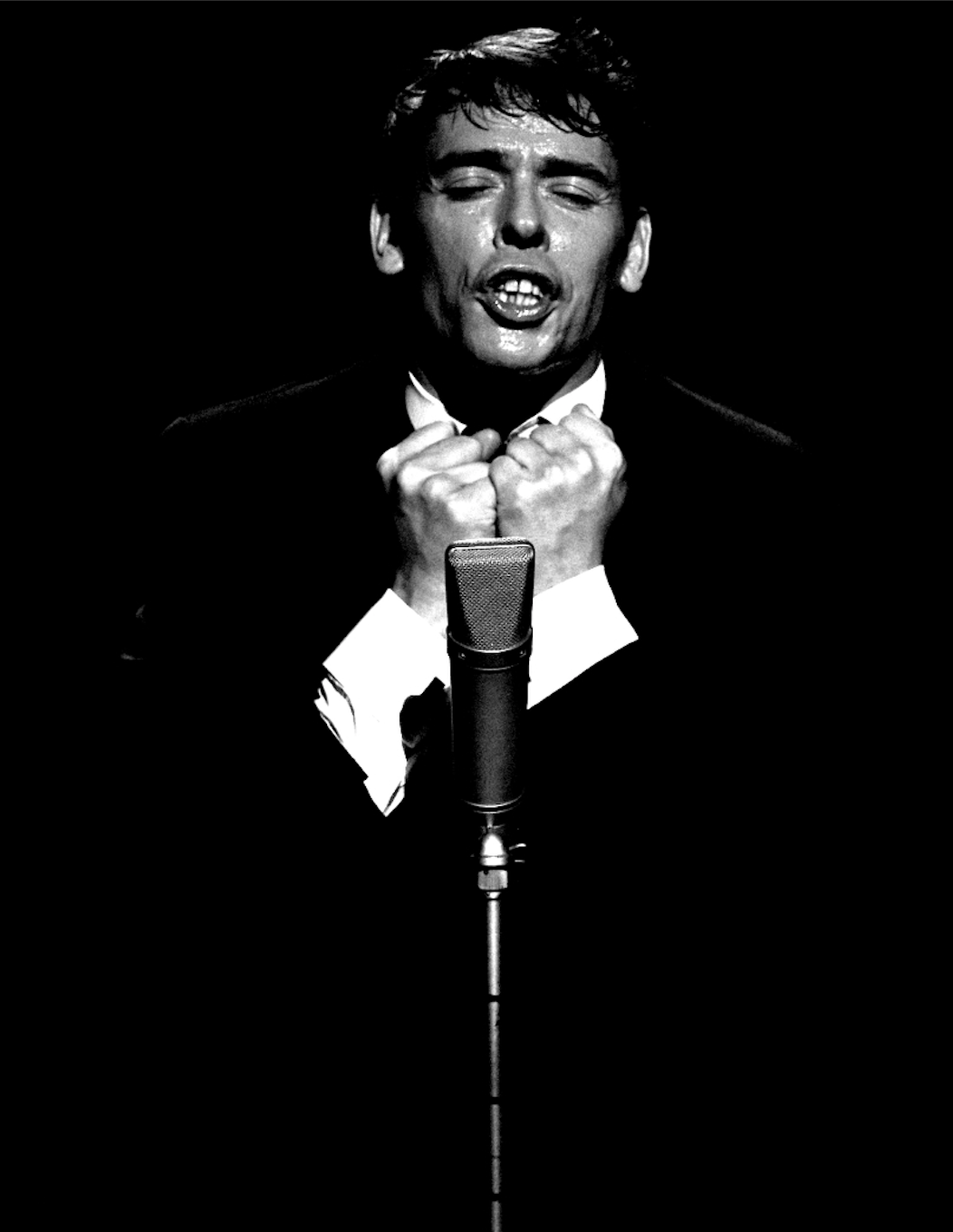
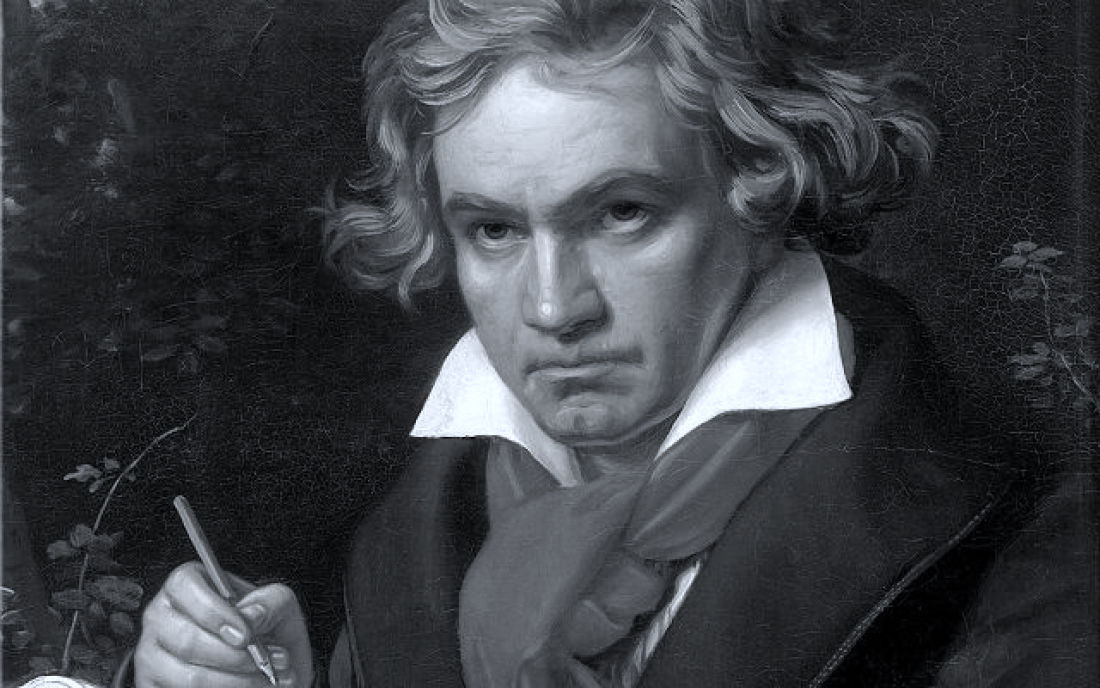
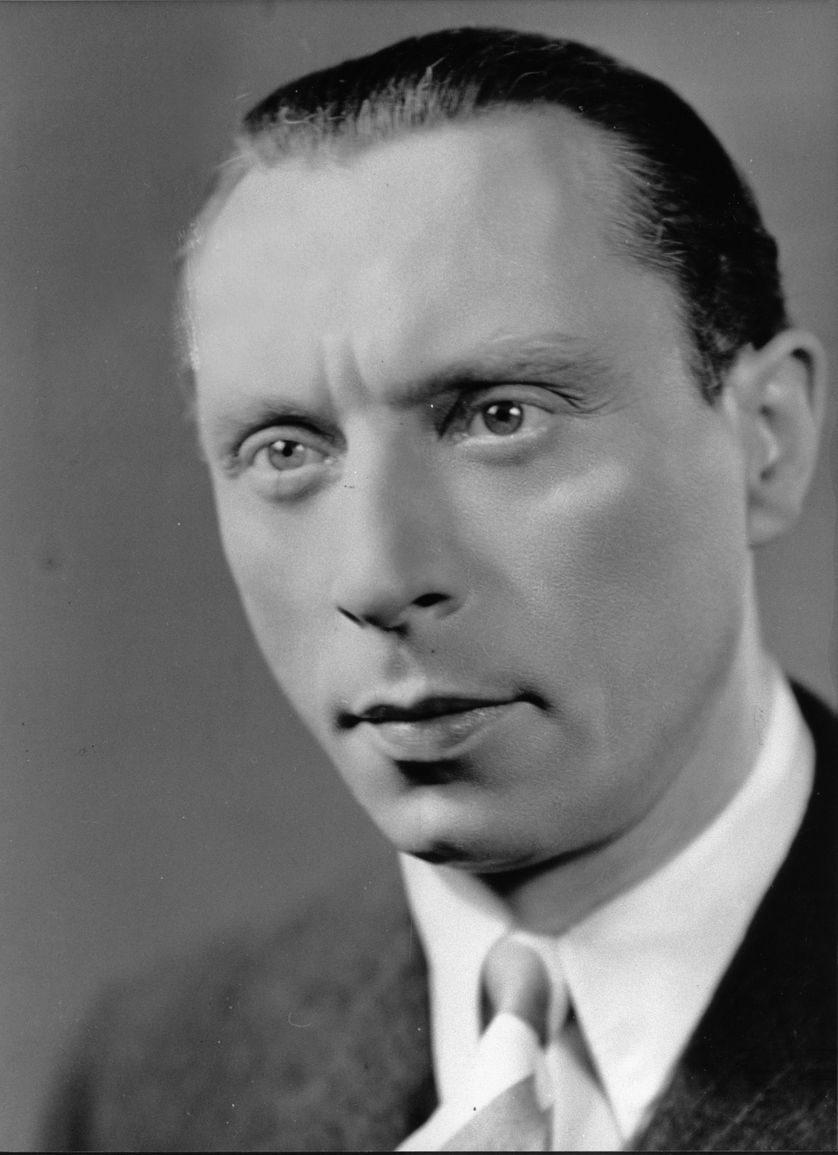
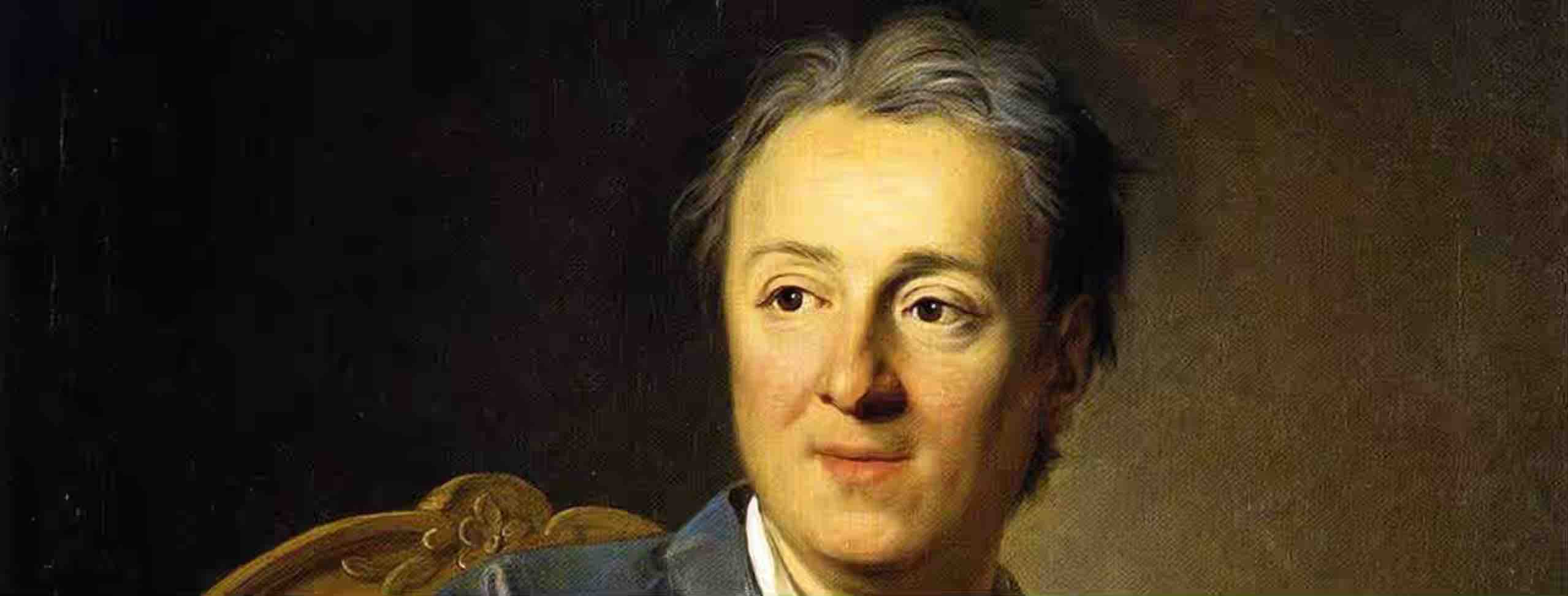
“I believe that, through discipline, we must reach the point of having only noble temptations. And then it becomes urgent to yield… even if it is dangerous; even if it is impossible; especially if it is impossible.” Jacques Brel, filmed interview below (at 7:10).
Although I cannot remember when I first listened to Jacques Brel, I know when I last did. Whatever the season, the year, the moment, the day, I know that the last time I listened to Jacques Brel was today or yesterday. There is my drug; there, along with San Pellegrino, is the only substance I take in absolutely every day! Never giving up my sparkling water, since I would go so far as to cross Italy to see the “castle” drawn on every bottle I have drunk; never giving up Amsterdam, La Quête, Le Prochain Amour or Orly.
Brel has never abandoned me. For some thirty years, I have listened to him two or three times a day. I need him; he calms my anxieties; he speaks to me of love, he speaks to me of death, of the tenderness of our dreams. He lights up my loves, invites me to dance and always makes me tremble.
When Bob Dylan received the Nobel Prize in Literature, I was happy. At last, the international elite had understood that music is not some whimsical embellishment; music is essential to our existence. I do wonder how our ancestors managed to live without music. How can we get through a day without listening to a few pieces by our hormonal stimulants? Music nourishes me; it is as natural to me as the sleep that punctuates my days.
Some will imagine that I am exaggerating. Not a bit of it; when I wake, in my bathroom, in my car, through my headphones, softly, loudly or overwhelmingly, music is my true drug!
In 1993, I took off for the Svalbard archipelago, otherwise known as the North Pole. A competition organized by Nicolas Hulot’s foundation; I win, along with nine other young people, and fly off for three weeks without music. At the time, my Walkman weighed a kilogram, cassettes were rewound around a pencil, and I did not live without my Walkman.
After three weeks without music, the withdrawal was unmistakable. I was more than frustrated, I was tormented. With a young friend suffering withdrawal like me, we talked about music, sensation, goosebumps, Debussy, and Brel of course, whose existence the rascal knew nothing of! Kayaking between icebergs, walking across lands scorched by dragons of wind at −30°C, we talked about music, irritating our companions in misfortune.
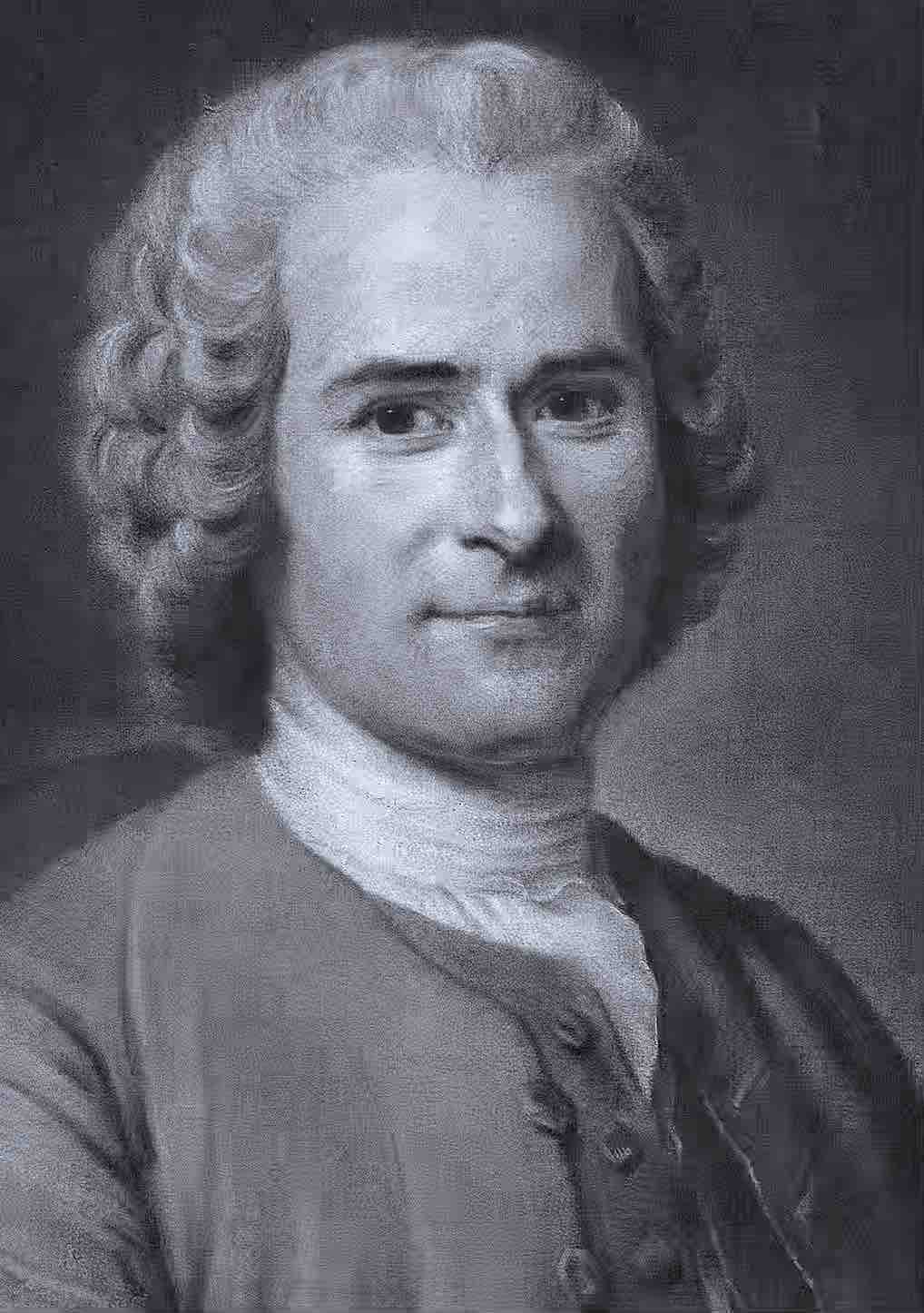
The withdrawal was violent: three weeks of walking, of cold, to see nothingness, nature without nature, lands without vegetation, and living on top of one another while alone in the world. How right Rousseau is…
When, on our way home, a storm stranded us in Tromsø, a northern city in Norway, I could stand it no longer; I wanted to listen to music. Anything, but music. I did not care; like an addict, the lack of music would make me aggressive. The pain of being without it was too great.
But the city was deserted, nothing was open, and the only “pub” around was putting its chairs away in the metaphysical silence of a Soviet film.
With a heavy heart, I returned to the hotel, at last to sleep in warmth, far from the storms of those wind-dragons that pass through our skin to sink their sharp claws into the very heart of our flesh, against our awkward adolescent bones.
I enter my room and inspect it with a ritual that has never left me: standing in the doorway, I imagine myself in the bed and identify every pernicious source of light that will disturb my all-too-light sleep; then I locate the bathroom, minibar, any electric lights I might have missed, and all the useless objects, so common at the time.
Then the décor gets its turn: a thorough critique of the degree of coherent kitsch sought by the designer. In Tromsø, there had probably never been a designer or an architect. The kitsch was natural. Everything was brown, entangled in archaic shapes and textures, meaning those of the sixties, since, at the risk of naive egocentrism, I classify as aesthetically archaic anything predating 1975, the year of my birth.
Brown, then, yellow, and chevron wallpaper with a decided taste for offending the eye: everything seemed suffocating. But, for there must be a but, I notice a round metal switch set into the wall. My heart leaps, it races; no, that would be too good: there, as in days gone by, a “knob” to turn on… a radio.
My heart truly pounds; I throw myself at the wall, I stroke the area around the switch, brush it with my fingertips; it is there. But what if it does not work? I take my time. I have long known that the best moment of an event invariably precedes it. I am wildly excited; I want to call my friend. I know he will see it too. But what kind of music do they play in Tromsø?
Suddenly, I fear the worst. A radio program with old people talking about very old people to even older people, to lull them to sleep in a guttural Norwegian whose melody escapes me. My hands are clammy. Never mind, I have to find out…
I turn the brass switch… nothing happens… I wait; not a sound; not a word. I am disappointed, staring sadly at the switch…
But I make it out, I recognize it, I exult; no, impossible, it cannot be true, the sound rises, I help it along and turn the knob; surely not! I hear it, yes, I hear Jacques Brel beginning Amsterdam, at the Olympia (1964)!
I am motionless, my eyes fixed on the brass; my heart stops abruptly, tears overwhelm me, it is so beautiful, I feel as though I am being born, the music burns my lungs. Brel is with me, he brings me back into the world of feelings, the icy hell disappears, I am alive, alive at last.